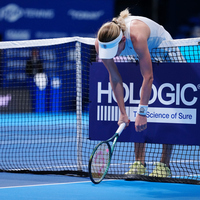


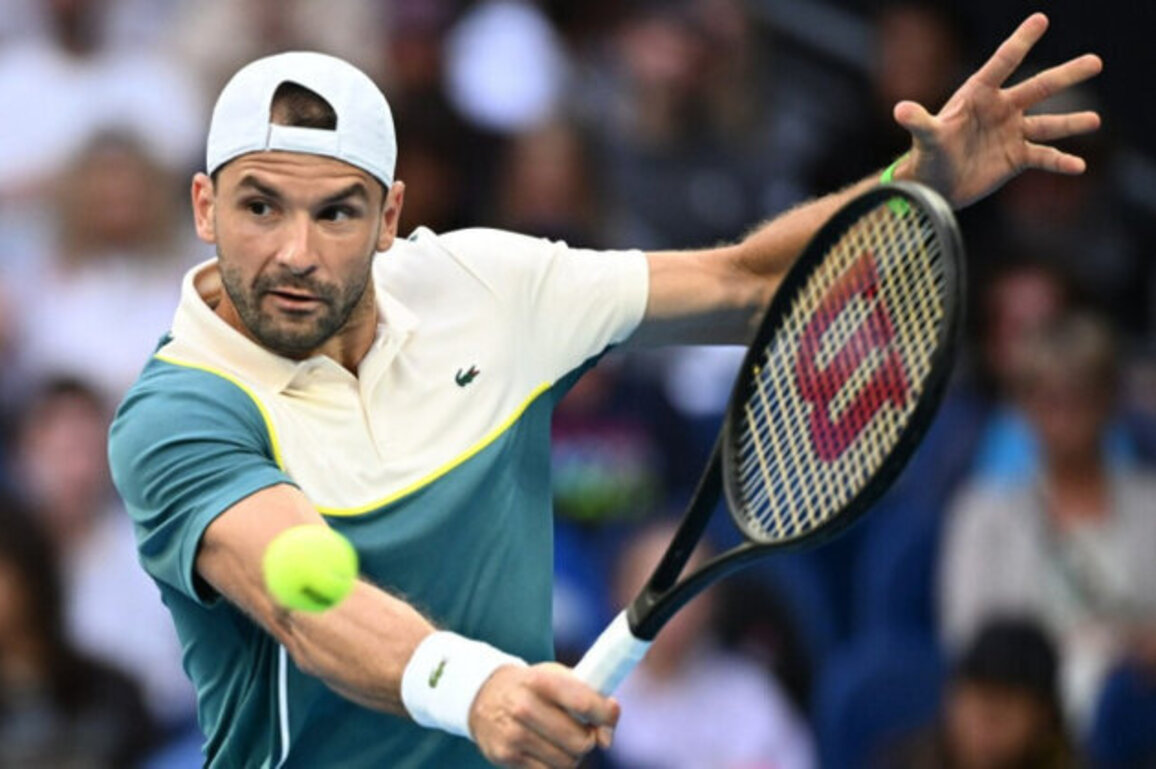
Grigor Dimitrov is not going quietly into the night. At 34, he has chosen to change direction, ending his spell with coach Jamie Delgado. His decision came in the wake of the 2025 US Open, where injury forced him to withdraw and left his name absent from the New York markets for the first time in 14 years.
US Open odds: the year his name was missing
Dimitrov's omission from the was not a late scramble. He pulled out well before the draw after tearing a chest muscle against Jannik Sinner at Wimbledon in July, a brutal end to a match he seemed on course to win. Even so, seeing a constant presence missing from the list was a jolt, especially for Bulgarian tennis fans. If recovery goes to plan, you would expect him to be back in the conversation in 2026, but New York in 2025 still felt like a line in the sand for one of the sport's most popular players.
Why cut ties now
That decision put the focus back on his relationship with Delgado. Stability had its value, but the returns on tour had levelled off. Dimitrov could still put together a night of high quality, yet too often the momentum faded before the week was out. Changing the voice in his corner was an admission that the plan in place had taken him as far as it could.
The job for Dimitrov's next coach is easy enough to outline but much harder to pull off. He has to keep the serve reliableunder pressure and, just as importantly, improvethe first ball after the return. Rally patterns also need to hold up when exchanges become stretched, rather than relying on highlight shots to get him out of jail. Those small details are what carry players into the second week of a Slam, and they are the areas where Dimitrov has too .
What success would look like in 2026
The question now is what Dimitrov still has left to offer. The building blocks remain. He has played semi-finals at majors, stood on , and beaten the best in the sport.
What he has lacked in recent years is not talent but consistency, the ability to back up an inspired performance two days later. If the new team can steady those levels from round three onwards, he becomes awkward again, the sort of opponent who ruins the clean lines of a draw.
Delgado, meanwhile, has already been hired by a current top-tenplayer, which shows the regard in which he is held. That underlines the nature of the split. It was not about frustration or personality, but about timing. The reality in the modern game is that acoach can be the right fit in one stage of a career and no longer the right match in the next.
That acceptance of timing is what makes his absence in New York feel different. It did not feel like a farewell but rather a moment to reset. The coming season will show whether that reset leads to another surge or whether it marks the beginning of the end.