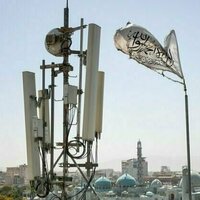


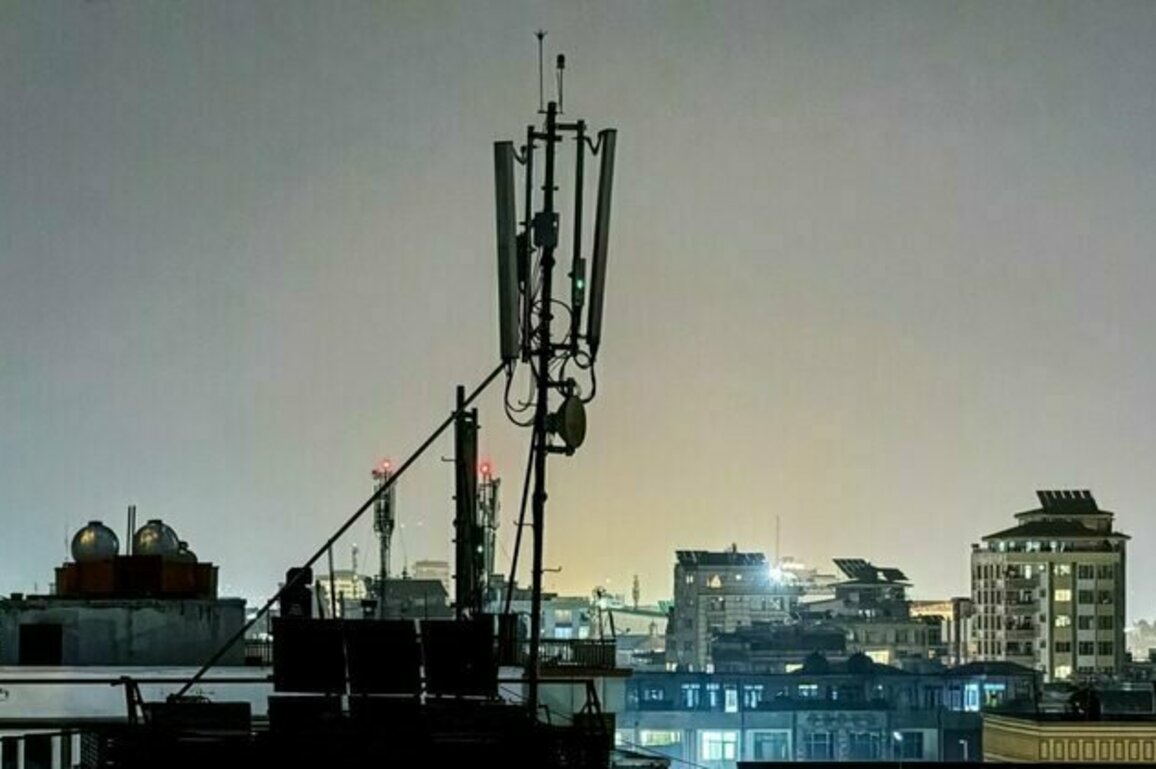
Cell phone and internet services were restored in Afghanistan on October 1 two days after the Taliban imposed a nationwide shutdown of telecommunications, a move that largelycut offthe country from the rest of the world.
A Taliban spokesman attributed the outage to the deterioration of old fiber optic cables, saying they needed to be replaced. The hard-line Islamist groupdeniedthat it had shut down the Internet, but some Taliban leaders had previously said they blocked the Internet to prevent users from viewing pornography.
The spokesman's comments were the first from the Taliban government since high-speed Internet services were shut down on September 29. Mobile phone networks, which share the same system, were also mostly shut down.
The shutdown sparked chaos in Afghanistan, disrupting flights and cutting people off from banking and e-commerce systems as well as online jobs and schools.
By late afternoon on October 1 residents in Kabul and other cities said their phone services had come back to life, and Internet access was restored, according to companies providing the service.
The blackout caused hardships and financial losses for ordinary Afghans, who are already experiencing economic strife amid rising poverty, unemployment, and hunger.
We had no warning that the Internet would be shut down, said a female teacher living in Hairatan, a town in northern Afghanistan near the border with Uzbekistan. Its not just the Internet, but mobile phone signal.
The woman, who spoke to RFE/RLs Radio Azadi on condition of anonymity for fear of retribution, said local SIM cards had been deactivated, and she had purchased an Uzbek SIM card.
The communications blackout came weeks after the Taliban started blocking access to fiber-optic Internet in several provinces.
The group said that move was intended to prevent immorality, with the Taliban previously voicing concern over pornography and online intimacy between men and women.
SEE ALSO:
Taliban's Internet Ban Threatens Afghan Women's Livelihoods And Education
But critics have said the decision is part of a wider crackdown on individual freedoms and the free flow of information.
Since seizing power in 2021, the Taliban has severely restricted the rights of Afghans, especially women, and violently cracked down on dissent.
The Taliban has used its own interpretation of Islamic Sharia law to justify its extremist policies. But Islamic scholars say there is no religious grounds for the groups decision to shut down the Internet.